
Thursday, March 5, 2026
Home Blog Page 3

Tumbler Ridge shooting leaves B.C. town grieving as RCMP searches for motive

0

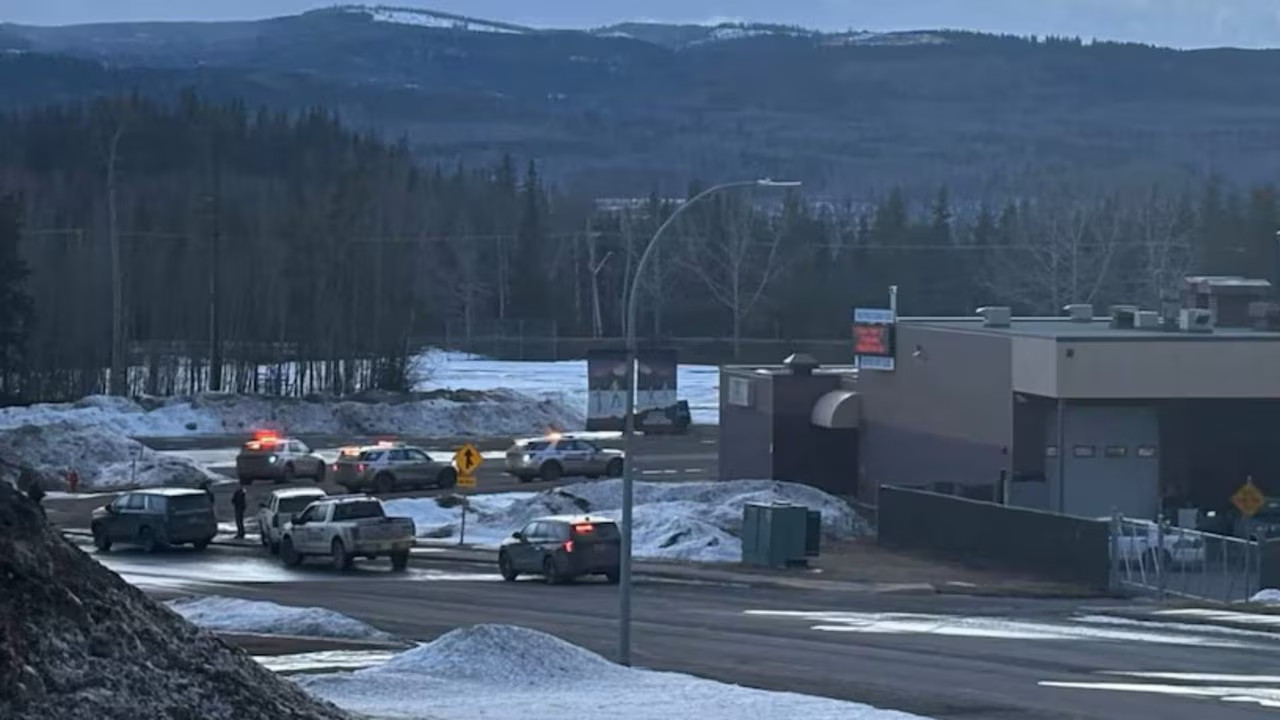
Tumbler Ridge, B.C., is mourning after a mass shooting that left eight people dead and about 25 injured. Police say the 18-year-old suspect, Jesse Van Rootselaar, died after turning the gun on herself. The attack unfolded at a residence and at the local secondary school, shaking the small northern community.

Prime Minister Mark Carney is expected to visit Tumbler Ridge, with details to be set in consultation with local officials.

What investigators say happened

Police have described two key scenes. Two victims were found at a home, and six more were shot at the school. Authorities say the suspect later died of a self-inflicted gunshot wound.

The motive has not been made public. The RCMP says the investigation is continuing, including witness interviews and the collection of digital and physical evidence.

RCMP focuses on the why

Investigators say they have learned more about the suspect’s background, including prior interactions with police linked to mental health concerns. They have not said what triggered the violence.

Former homicide detective Mark Mendelson, speaking on CTV, said police will be looking closely at the suspect’s online activity and relationships. He said that can include search warrants and requests for records tied to social media and communications.

Carney plans a visit as leaders respond

The Prime Minister’s Office says Mark Carney will travel to Tumbler Ridge “in the near future,” with timing based on what the community needs first. Carney has also urged respect for Canadian sovereignty as the country navigates a tense moment internationally.

B.C. Premier David Eby visited the town and said his government is working with the RCMP and Northern Health to understand what contacts may have occurred before the shootings.

A community trying to process the loss

The MLA for the area, Larry Neufeld, said residents are “numb” and still struggling to absorb what happened. He said the priority now is making sure people can access supports as the town grieves.

Vigils have been held across the province, including at the B.C. legislature in Victoria.

Victims begin to be identified

Police have confirmed the suspect’s mother and younger sibling were among the victims found at the home. Media reports have identified them as Jennifer Strang and 11-year-old Emmett Strang, though police have not publicly released their names.

At the school, victims include students and a teacher. One family has identified 12-year-old Kylie May Smith as among those killed, describing her as a child who loved art and anime.

Officials warn against scapegoating after online claims

In the wake of the shooting, advocates and experts have warned against using the suspect’s reported gender identity to target transgender people as a group. They say online narratives can spread quickly after high-profile attacks and risk fueling harassment.

They also point to data indicating that mass shootings attributed to trans perpetrators are extremely rare, despite viral claims that suggest otherwise.

What happens next

The RCMP investigation is expected to continue for weeks, as officers work to establish a clear timeline and identify any warning signs that were missed. Officials have not said when more details will be released.

For Tumbler Ridge, the focus is now on supporting survivors, grieving families, and a school community forced to confront a level of violence that remains deeply uncommon in Canada.

Alberta separatists push petition to force an independence vote

0

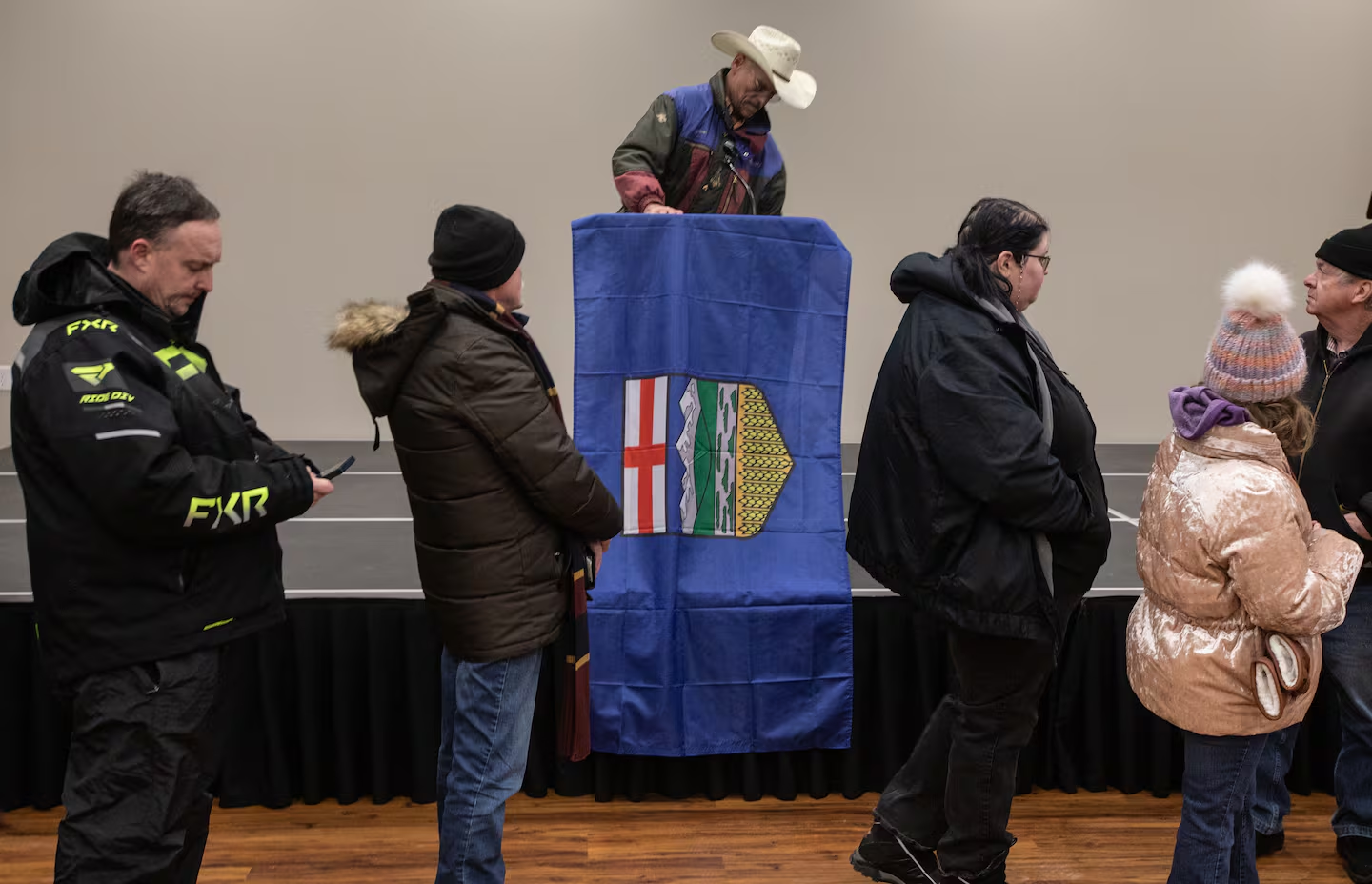
Separatists in Alberta are intensifying a petition drive that could trigger a provincial referendum on leaving Canada. Organizers say they aim to meet the legal threshold by May 2, in a campaign that adds political pressure on Ottawa as it faces U.S. tariffs and annexation talk.

How many signatures are needed

Volunteer canvassers say they are targeting about 177,000 signatures. That figure represents 10% of Alberta’s registered voters, the threshold required to launch a citizen-led referendum on separation.

If the petition succeeds, a vote could be held as early as October.

A movement fueled by long-running grievances

Alberta produces most of Canada’s oil and gas. For years, some residents have argued that federal policies have held back the sector and, by extension, the province’s economy.

Many critics point to environmental regulations they believe reduce profitability and limit expansion. That frustration has helped keep separatist sentiment alive, even when it falls short of a majority.

On the ground in High River

In High River, a town near the Rocky Mountains, residents have been stopping by a strip mall petition site to sign. Some expressed admiration for U.S. President Donald Trump, but most said statehood is not their goal.

Instead, they say they want Alberta to become its own country.

Separatists confirm talks in Washington

Jeff Rath, a spokesman for the Alberta Prosperity Project, said the movement is gaining momentum. He confirmed that he and other activists met with U.S. State Department officials in Washington in January.

Rath said he raised the idea of a new oil pipeline from Alberta into the United States. He also said their focus is independence, not joining the U.S.

A White House official said U.S. officials meet regularly with civil society groups and did not convey support or commitments. A State Department official confirmed staff-level meetings but said there would be no future meetings.

Prime Minister Mark Carney has said he expects the U.S. to respect Canadian sovereignty.

What the polls say in Alberta

Recent polling suggests most Albertans still want to remain in Canada. In a Leger poll conducted this month, 71% of respondents said they opposed independence.

However, support for Alberta becoming an independent country was close to one in five. That level, while not dominant, is enough to keep the issue politically disruptive.

Danielle Smith’s changes and the backlash

Premier Danielle Smith’s government changed provincial rules last year to make it easier to trigger a referendum. Among the changes was cutting the required number of signatures in half.

Smith told Reuters she supports a strong and sovereign Alberta within a united Canada. She said citizen-initiated referenda allow voters to express views that differ from the government’s position. She also said she has been working with Carney to ease federal-provincial tensions.

Critics say the reforms tilt the playing field toward separatists. Duane Bratt, a political science professor at Mount Royal University, called the situation “bonkers” and argued that Smith has repeatedly made it easier for a separatist vote to happen.

Why separation would be hard to deliver

Even if a referendum were held, the path to independence would be complex. Legal and political hurdles include the absence of a clear, fixed threshold that would automatically compel federal secession talks.

The broader national context could also matter. Academics note that separatist dynamics in Quebec may influence the political climate, especially with a Quebec election expected in October and renewed talk of a future referendum.

Ottawa tries to reset relations

Carney has sought to blunt separatist momentum by offering concessions to Alberta. That includes an agreement signed with Smith in November aimed at easing certain climate rules and encouraging a new oil pipeline to the West Coast.

Ottawa has also emphasized Alberta’s role in the federation. Dominic LeBlanc’s office said the province is an “essential partner” and that the federal government wants to renew the relationship based on common objectives and respect.

The petition campaign now tests how far separatist energy can go beyond protest. It also forces both provincial and federal leaders to confront a familiar question in Alberta politics: how much autonomy is enough, and who gets to decide

Milano 2026 short-track ice draws criticism as officials defend conditions

0

Concerns about ice quality are emerging at the 2026 Milano-Cortina Winter Olympics. Several short-track speed skaters have described the rink as “soft,” raising questions about safety and consistency. Organizers say the ice is closely monitored and complaints of this kind are uncommon.

Why short-track ice is under scrutiny in Milan

Canadian skater Steven Dubois, the 2025 world champion in the men’s 1000m, voiced the strongest criticism after crashing out in the qualifying round. Speaking after racing at the Milano Ice Skating Arena, Dubois said the surface was “really bad” and claimed there had been “so many falls.”

He later helped Canada win silver in the mixed team relay. Still, his post-race comments focused on the challenges athletes say they are facing on the rink.

“At the Games it’s always hard,” Dubois said, pointing to the difficulty of managing ice conditions when short-track and figure skating share a venue.

What “soft” ice means and why a few degrees matter

Ice temperature can affect speed and grip. Small changes can alter how the blade bites into the surface, which is critical in tight short-track turns.

Different sports also require different ice profiles. Figure skating typically uses slightly warmer, slower ice to support jumps and edge work. Hockey prefers colder, harder ice. Speed skating generally needs the coldest surface to maximize speed.

At the Olympics, short-track and figure skating have traditionally shared the same rink. That setup can require rapid adjustments between sessions.

Organizers say the ice is monitored constantly

On Wednesday, officials defended their approach and said serious complaints are rare.

Luca Casassa, the Games operation communications director, said ice specialists measure temperature and monitor conditions throughout competition. He also said organizers have received positive feedback about the “field of play.”

Canada’s technician points to deterioration over rounds

Not everyone working with athletes is reassured. Laurent Daignault, a former Olympian who now serves as an equipment technician with Team Canada, said the key issue is inconsistency.

According to Daignault, the ice can feel “pretty nice” early on. However, he said it begins to deteriorate later in the program, particularly after multiple rounds.

He also said the team has been trying to reach the ice master, with limited success.

Adapting may matter more than equipment changes

Asked whether Canada would adjust equipment to compensate, Daignault suggested that would not solve the problem if conditions keep changing. In that scenario, athletes have to adapt race by race.

Dubois acknowledged the dilemma. He said the conditions are the same for everyone, but added that it can feel unfair when a skater performs well and the ice “doesn’t hold” in key moments.

The debate now puts extra attention on how organizers manage a shared venue, and whether the surface can stay consistent as the Olympic schedule intensifies.

Eliot Grondin sharpens his lines for Milan-Cortina

0

Two Olympics in, Eliot Grondin reads the course like a map. In snowboard cross, four riders drop together and hit 80 km/h on ice. Chaos lurks in every bank and roller. “Control what you can,” he says. He trusts his start. He trusts his feel. “I can sense two-tenths right away.” His edge choice and race lines do the talking.

Precision first, power always

Like a Formula One driver, Grondin obsesses over trajectory. A clean line keeps speed and protects position. He spends less time on the start than rivals because it comes naturally. The focus shifts to exits, drafting and calm passes in traffic. Co-head coach Maëlle Ricker calls him “a machine” with touch and instincts—traits that separate finalists from also-rans. Ricker leads Canada’s SBX program into the Games this month.

Track record that travels

At Beijing 2022, Grondin claimed silver in men’s SBX and bronze in the mixed team event with Meryeta O’Dine. He debuted at PyeongChang 2018 at 16, then piled on World Cup wins and the 2025 world title. He enters Milan-Cortina as a marked man—and a favourite.

What awaits in Livigno

Snowboard cross runs at the Games in Livigno, with men’s racing scheduled during the first Olympic week and the mixed team event to follow. Course testing has highlighted speed sections and heavy compression zones; line choice will decide heats. Fans can track athlete pages and event updates on the official site as brackets publish.

The mindset behind the medal push

Grondin keeps the plan simple: set the line early, defend cleanly and react faster than the pack. He leans on routine—inspection notes, start-gate cues, and a narrow focus once the beeps sound. The template brought medals already; now he wants the upgrade. At 24, with speed and feel in sync, his window is wide open.

As race day nears, Team Canada’s SBX group looks settled, staff aligned, and roles clear. The pieces are there. If Grondin hits his lines, Milan-Cortina could add another chapter to an already loaded résumé.

Chappell Roan cuts ties with Wasserman amid Maxwell email revelations

0

Pop star Chappell Roan said she is no longer represented by Wasserman, the firm led by Casey Wasserman. Her move follows renewed scrutiny of flirtatious 2003 emails between Wasserman and Ghislaine Maxwell published in recent U.S. government releases related to Jeffrey Epstein. Roan announced the split on Instagram, citing values, safety and accountability.

What Roan said—and why it matters

Roan wrote that artists deserve representation aligned with their values. She framed the choice as a stand for “safety and dignity” in the industry. Value-based representation places ethics and duty of care alongside commercial results. Her exit is the highest-profile move by a client since the files surfaced. Other artists and agents have also voiced concerns.

Wasserman’s response and the record

Wasserman has apologized for the exchanges with Maxwell. He says they predated public knowledge of her crimes and denies any personal or business relationship with Epstein. He has acknowledged one 2002 humanitarian trip on a plane associated with Epstein. Maxwell is serving a 20-year sentence following her 2021 conviction.

The DOJ files and what they revealed

The latest release from the U.S. Department of Justice included personal emails between Wasserman and Maxwell. Media outlets reported flirtatious language and a massage offer in the exchanges. The documents add to long-running public scrutiny of Epstein’s network and its social ties.

Olympics leadership under pressure

Wasserman chairs the organizing effort for the Los Angeles 2028 Summer Olympics. City figures have urged him to step aside; others say his apology should stand. The International Olympic Committee has not moved to intervene. The debate now extends beyond entertainment into sports governance and civic reputation.

Industry ripple effects

Roan’s decision may accelerate client reviews across agencies. Artists weigh contract terms, touring plans and staff livelihoods against reputational risk. For agencies, governance and safeguarding policies face fresh tests. Several acts have already criticized or left Wasserman since the emails emerged.

The agency did not immediately comment. For now, Roan’s move underscores a clear message from artists: trust and transparency are non-negotiable as new details from the Epstein files continue to surface

Inuit Nunangat University to anchor in Arviat, first Inuit-led campus in the Arctic

0

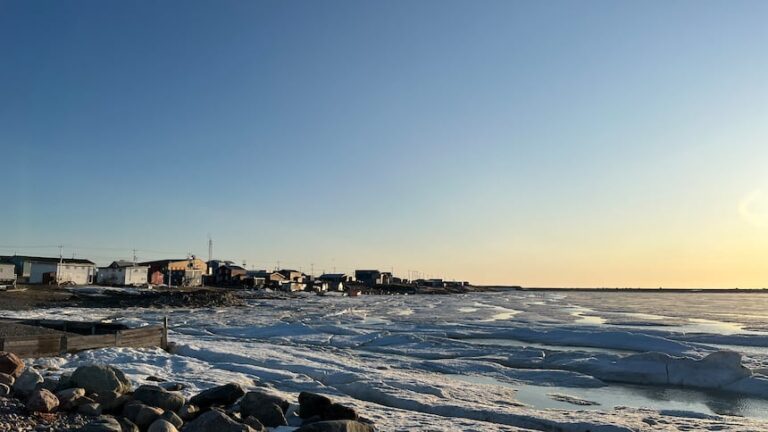
Arviat, a hamlet on Hudson Bay in Nunavut, has been selected to host the main campus of the first Inuit-led university in Canada’s Arctic, CBC News reports ahead of a formal reveal at Rideau Hall. The announcement is slated for Wednesday with Natan Obed and Mary Simon. Inuit Nunangat University is an Inuit-created, Inuit-governed institution that aims to deliver degree programs rooted in Inuit language and knowledge.

Why Arviat—and why now

ITK chose Arviat after a review across Inuit regions. The shortlist included Iqaluit and Cambridge Bay in Nunavut, Inuvik in the Northwest Territories, and Kuujjuaq and Puvirnituq in Nunavik. ITK says the site decision comes as planning accelerates to open the first cohort by 2030. In policy terms, “Inuit Nunangat” refers to the Inuit homeland across four regions of Canada.

Arviat’s community profile strengthens the case: most residents speak Inuktut daily, and local leaders pitched an immersive campus model with land-based learning. Statistics Canada data show the hamlet’s population approaching 3,000, reflecting a young demographic that could benefit from nearby post-secondary options.

Inuit Nunangat University: vision and first programs

Obed frames the university as an exercise in jurisdiction and nation-building: Inuit knowledge, language and governance at the core, with degree programs built for Arctic realities. Early materials from ITK highlight an education faculty (Silatursarniq) and teacher-training pathways grounded in Inuktut. Program architecture will expand as funding and hiring advance.

The plan includes regional knowledge centres or satellite campuses in communities not selected for the main site, to ensure access across Inuit Nunangat. ITK has emphasized co-design with communities and strong student supports.

Funding picture: Inuit, philanthropy and Ottawa

New commitments outlined around the announcement include major Inuit-led investments. ITK and partners have already secured significant private and Inuit funding, anchored by a $50-million contribution from the Mastercard Foundation. Ottawa signalled up to $50 million in federal support in principle, pending final proposals. Together, these streams move the total envelope toward the estimated cost to open the main campus and launch initial degrees.

Nunavut Tunngavik Incorporated (Nunavut Tunngavik Incorporated) continues to play a central role in education and housing partnerships, which are crucial as campuses and student residences are built out. Recent federal-territorial-NTI housing agreements illustrate how Inuit-led delivery can scale urgently needed units.

What it means for students and sovereignty

Locating the university within Inuit Nunangat reduces the burden of moving south for degrees and supports language revitalization. It also advances capacity in fields that matter locally—education, health, governance, environment—while keeping graduates in northern labour markets. Obed has linked post-secondary access to Arctic sovereignty: thriving Inuit institutions underpin Canada’s presence and partnerships in the North.

Next steps at Rideau Hall

Wednesday’s event at Rideau Hall will confirm the main-campus site and outline near-term milestones: governance, academic recruitment, student housing and the build timeline. ITK has indicated testing of early programming and continued fundraising through 2026. Media availability will follow on the grounds.

As planning turns to construction, Arviat’s selection signals a shift: Inuit-led higher education delivered in Inuit language and place. The model aims to serve roughly the first 100 students with about 80 staff by 2030, then scale through regional centres across the homeland

Air Canada suspends Cuba flights as fuel crisis deepens

0

Air Canada has suspended flights to Cuba after the island warned airlines that jet fuel would not be available. The move lands amid an escalating energy crunch and fresh U.S. measures targeting Cuba’s fuel supply. Russian carriers have begun evacuating tourists and plan to pause operations as well. Rosaviatsia said services will halt once repatriations finish.

Air Canada Cuba flights suspended

Cuban authorities told international airlines that jet fuel would be unavailable starting this week. That triggered schedule cuts and suspensions, including Air Canada’s Cuba network. Airlines rely on local fueling for turnarounds; without it, most cannot operate safely or economically.

Fuel squeeze and U.S. pressure

The crisis has tightened since early January. The U.S. captured Venezuelan president Nicolás Maduro on January 3, disrupting a key crude source for Cuba. President Donald Trump then signed a January 29 executive order declaring Cuba an “extraordinary threat” and authorizing tariffs on countries that supply it with oil. Tariffs are border taxes imposed on imported goods. Together, these steps amplified Cuba’s fuel shortfall.

Havana signals openness, Washington sets terms

President Miguel Díaz‑Canel said he is ready to negotiate with Washington to ease economic pain, while pledging “creative resilience.” In parallel, U.S. officials, including Secretary of State Marco Rubio, framed sanctions as pressure for change in Havana. Sanctions are legal restrictions on trade and finance. The political standoff shapes the energy outlook and airlines’ decisions.

Tourism hit hard as Canadians stay away

Canada remains Cuba’s largest tourism market, yet visits fell last year. ONEI, Cuba’s statistics office, reported about 754,000 Canadian arrivals in 2025, well below the pre-pandemic average of 1.3 million. Resorts have struggled with blackouts and supply gaps. A shrinking Canadian presence strains a sector long dependent on winter travel from Canada. Oficina Nacional de Estadística e Información (ONEI)

Ottawa’s travel advice and consular posture

Global Affairs Canada urges travellers to “exercise a high degree of caution” due to worsening shortages of electricity, fuel, food, water and medicine. A travel advisory is official guidance that flags risks and disruptions. The notice also warns that flight availability could change on short notice—now underscored by airline suspensions.

What this means for travellers and Cuba’s economy

Near-term flight options will narrow as carriers redeploy aircraft and protect operations that can be reliably fueled. Rebookings may require connections through third countries with fueling guaranteed. For Cuba, fewer seats mean fewer tourists and less hard currency, adding pressure on an economy already hit by blackouts and rationing. Airlines will watch fuel access, sanctions exposure and demand before restoring service.

Cuba’s leaders say they want dialogue, while Washington links relief to political change. Until energy supplies stabilize, schedules will remain fragile. Travellers should monitor airline alerts and Canada’s advisory for updates as conditions evolve.

Brampton homicide arrest nearly two years after fatal shooting

0

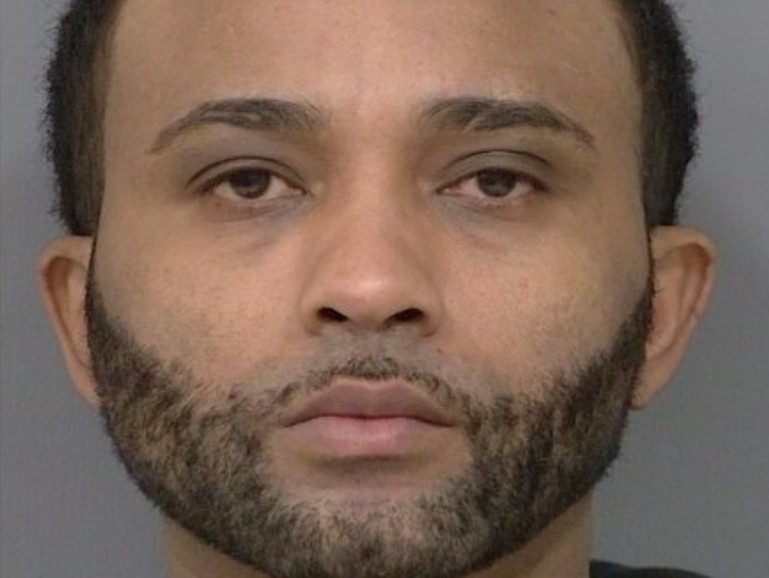
Peel Regional Police have arrested a Toronto man in a 2024 Brampton homicide. Investigators say officers responded at 4:18 a.m. on May 11, 2024, to Kennedy Road and Stafford Drive after reports of gunfire. First responders found a victim with gunshot wounds and rushed him to a trauma centre, where he was pronounced dead. A Canada-wide warrant for 41-year-old Winardo Winteria Morris followed soon after the killing. On Feb. 9, 2026, police arrested Morris and charged him with first-degree murder. He was held for a bail hearing at the Ontario Court of Justice.

Timeline of the case and what police allege

Police issued the national warrant in late May 2024 as the investigation advanced. The victim was later identified by local media as 43-year-old Dayne Gordon. The shooting occurred outside an after-hours club near the Kennedy–Stafford plaza, according to contemporaneous reports. First-degree murder in Canada refers to a planned and deliberate killing, or a death that occurs during certain serious offences; it carries a mandatory life sentence upon conviction.

Arrest details and next steps in court

Police announced the arrest on Feb. 9, 2026, stating that Morris, now 41, faces one count of first-degree murder. He remains in custody pending a bail hearing. Investigators continue to seek information from the public. Tipsters can contact the Homicide Bureau or submit anonymous tips to Peel Crime Stoppers.

Community impact and safety messaging

The case has spanned nearly two years, with periodic appeals for witnesses. Police stress that community information helps confirm timelines, locate evidence, and support court proceedings. Residents in the Kennedy Road South corridor reported heightened concern after the 2024 shooting; the arrest may ease fears while the case proceeds through the courts. Media reports note the steady flow of updates since the warrant was issued.

What remains confirmed

Key facts stand on the public record: the May 11, 2024 shooting in Brampton; a Canada-wide warrant for Morris later that month; and the Feb. 9, 2026 arrest and charge. Authorities have not released further allegations or a motive. Anyone with information can reach investigators at 905-453-2121, ext. 3205, or contact Crime Stoppers.

Flags at half-mast for seven days after Tumbler Ridge shooting

0

Mark Carney announced that Canadian flags will fly at half-mast on federal buildings for seven days, following the mass school shooting in Tumbler Ridge. Authorities say nine people were killed, plus the shooter, and 27 were injured. Flying a flag at half-mast means lowering it partway down the mast to signal mourning. “It’s a very difficult day for the nation. The nation mourns with you, and Canada stands by you,” the prime minister said on Wednesday.

Seven days of national mourning

The half-mast order applies to federal buildings and sites across the country for one week. The decision came a day after the attack and aligns with established federal mourning practices after mass casualty events. Mr. Carney also said the federal public safety minister would travel to the community. According to his office, the aim is to support local authorities and coordinate services for families and survivors.

What we know about the attack

Police say the shooting began at Tumbler Ridge Secondary School on Tuesday, 10 February 2026. Most victims were found at the school, with additional fatalities at a nearby home. The suspected shooter, a woman, died of a self-inflicted wound. Investigators have not released a motive. The event ranks among Canada’s deadliest school shootings in decades.

Demand for answers, focus on victims

Leaders across British Columbia and Ottawa expressed grief and urged patience as the RCMP gathers evidence. Officials emphasized mental-health support for students, staff, and families. The school remains closed while emergency teams expand counselling and victim services. Meanwhile, residents of the town of about 2,700 people held vigils and offered aid.

Why Ottawa made the call

Half-masting signals national solidarity with victims and first responders. It also marks a formal period for federal institutions to pause, reflect, and offer support. According to the prime minister, the federal government will review early lessons once police release more details. He added that unity and practical help must guide the response in the days ahead.

The road ahead for Tumbler Ridge

The investigation continues, and officials said updates will follow as facts are confirmed. Families will face complex needs: medical care, trauma counselling, and assistance with travel and income supports. Ottawa and the province pledged to coordinate those services. Canadians nationwide will see flags lowered for seven days as the community begins the long process of recovery.

WestJet pauses 16 Canada–U.S. routes for summer 2026

0

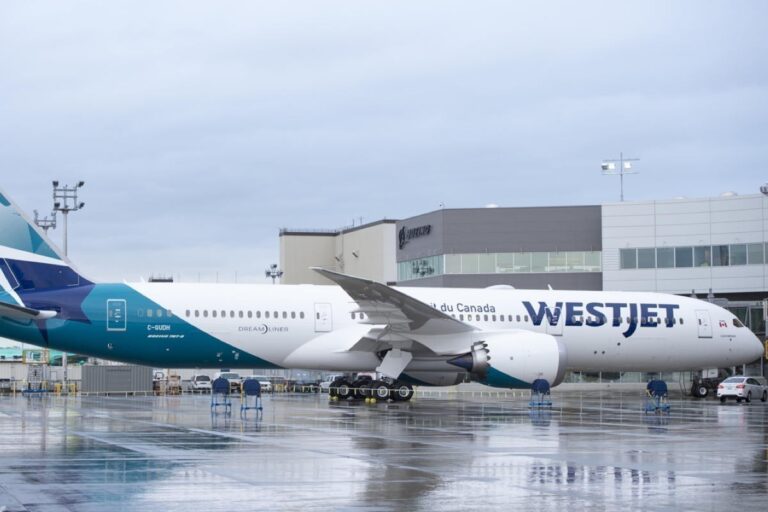
WestJet will suspend 16 transborder routes for the summer 2026 season, citing a “notable” drop in demand through 2025. The airline told Global News it has trimmed full-year Canada–U.S. flying by close to 10 per cent, with a 15 per cent pullback during historically busy U.S. travel periods. Transborder refers to flights between Canada and the United States. The company says it has already shifted aircraft to markets where demand remains healthy.

WestJet transborder routes: what changes

Service will pause on the following 16 links this summer: Vancouver–Boston, Vancouver–Nashville, Vancouver–San Francisco, Vancouver–Tampa, Vancouver–San Diego, Kelowna–Seattle, Calgary–Raleigh-Durham, Edmonton–Atlanta, Edmonton–Nashville, Edmonton–San Francisco, Edmonton–Seattle, Edmonton–Orlando, Toronto–Los Angeles, Winnipeg–Nashville, Winnipeg–Atlanta, and Halifax–Orlando. WestJet says the suspensions apply to the summer schedule only. However, it also notes there is no sign the demand trend will reverse soon.

Demand slump and the dollar’s drag

According to media relations advisor Julia Kaiser, WestJet saw a sustained transborder slowdown during 2025. The airline adjusted its network “to stay aligned with where Canadians want to go.” Industry context points to fewer Canadian trips to the U.S. late in 2025. Statistics Canada reported a year-over-year decline in November 2025. A weaker Canadian dollar raises U.S. travel costs for Canadians. Travel expert Claire Newell adds that safety concerns and politics also weigh on demand. She believes the downturn may not have reached a floor yet.

Airport view: fewer U.S. trips, strong domestic demand

At Edmonton International Airport (YEG), five suspended routes concentrate the impact. Yet the airport says overall demand at YEG “remains strong.” Spokesperson Justin Draper notes a shift toward domestic travel and winter “sun” destinations. That mirrors WestJet’s broader pivot toward markets with stable or rising bookings.

Capacity moves: more Canadian links this summer

WestJet is redeploying aircraft where demand holds up. The carrier plans new or expanded domestic service, including daily flights from Calgary to Campbell River starting 15 May, and twice-weekly service from Edmonton to Terrace from 19 May. Two new Alberta–Ontario routes also start in June: Calgary to Sault Ste. Marie from 12 June, and Calgary to North Bay from 19 June. WestJet says demand for domestic, Latin American, Caribbean, transatlantic and transpacific destinations remains solid. In airline planning, “capacity” refers to available seats and frequencies allocated to each route.

What this means for travelers and fares

Fewer Canada–U.S. options from Western Canada could tighten seat supply on remaining routes. Prices may fluctuate as carriers adjust schedules. Travelers seeking U.S. destinations from Vancouver, Calgary, Edmonton, Winnipeg or Halifax may need connections. Meanwhile, added domestic links create fresh non-stop options inside Canada. WestJet’s message is clear: follow demand, protect profitability, and lean into markets where Canadians still plan to fly.

The airline indicates it sees no near-term rebound in transborder demand. For now, its summer 2026 plan prioritizes domestic growth and winter sun flying, with long-haul segments stable. Passengers on affected routes should review alternatives early and monitor schedule updates as summer approaches.