
What happened?
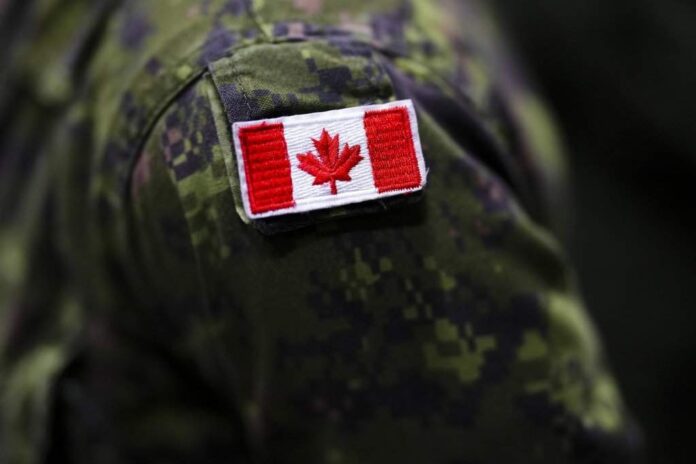
Two members of the Canadian Armed Forces stationed in Toronto were arrested on August 11 on serious criminal charges, including organized crime, kidnapping, and the theft of firearms and weapons. Toronto police took Bombardiers Sachintha Fernando and James Moreau into custody, and the Department of National Defence confirmed the arrests shortly after.
Both men belong to the 7th Toronto Regiment, an Army Reserve unit based in the city. The charges against them are significant: organized crime offences carry some of the heaviest penalties under Canadian law, and the alleged theft of weapons raises particular concern given the men’s access to military resources.
Who are Fernando and Moreau?
James Moreau enrolled in the Canadian Army as a reservist in March 2018. He served on Operation LASER in 2020, the Canadian Armed Forces’ domestic response to the COVID-19 pandemic, which saw military personnel deployed to support long-term care facilities across the country. Sachintha Fernando joined as a reservist in January 2020 and has not been deployed on any CAF operation.
Both men hold the rank of Bombardier, the artillery equivalent of Private in the Canadian Army. As reservists, they serve part-time while the balance of their lives remains civilian — a distinction that matters for understanding their level of access to military equipment and facilities.
What has the military done in response?
Following the arrests, the Department of National Defence moved quickly to limit the two soldiers’ access to CAF equipment, facilities, and bases. A departmental spokesperson confirmed they have been removed from military duties while the matter is under review.
Crucially, neither man has been released from the Armed Forces — at least not yet. “They remain members of the CAF pending the outcome of an administrative review,” the spokesperson said, describing the process as a formal mechanism designed to assess whether a member’s continued service is appropriate, while still affording them procedural fairness.
The army is also actively cooperating with Toronto police as the investigation proceeds, the spokesperson added. That collaboration between civilian law enforcement and the military chain of command reflects standard practice in cases where CAF members face criminal charges under civilian jurisdiction.
Why does the administrative review process matter?
The administrative review is not a military trial. Canada’s National Defence Act gives the CAF its own legal framework — the Code of Service Discipline — but charges brought by civilian police are prosecuted in civilian courts. The administrative review runs parallel to that process, asking a separate question: regardless of the criminal outcome, should these individuals continue to serve?
That distinction is important. A soldier can be acquitted in court and still be released from the military if the review concludes their conduct is incompatible with continued service. The reverse is also true. The two processes serve different institutional purposes and operate on different timelines, which means the public may not see a resolution on the military side for some time after any criminal verdict is reached.
What remains unknown?
Key details about the alleged offences have not yet been made public. Toronto police have not disclosed the specific nature of the kidnapping allegation, the identity of any alleged victims, or the extent of the weapons believed to have been stolen. It is also not yet clear whether the charges relate to activity connected to the soldiers’ military roles or to entirely separate conduct in their civilian lives.
Those questions will likely be addressed as the case moves through the courts. For now, the Canadian Armed Forces faces the uncomfortable reality that two of its members — men who took an oath of service and, in Moreau’s case, served Canadians during a national emergency — are accused of serious crimes that cut directly against that commitment.

