A Journalist, a Scientist, and a Leak
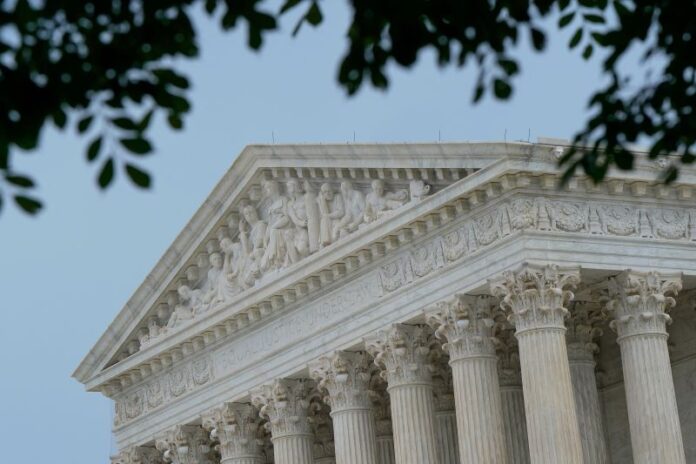
The United States Supreme Court has declined to shield a former Fox News investigative reporter from an escalating daily fine imposed because she refuses to reveal a confidential source. The decision, issued Thursday, leaves Catherine Herridge facing an $800-a-day contempt penalty with no immediate legal refuge in sight.
Herridge published a series of stories for Fox News in 2017 examining the alleged ties of Chinese American scientist Yanping Chen to the Chinese military. The reporting raised questions about whether a professional school Chen founded in Virginia served as a conduit for intelligence-gathering on American servicemembers. Chen was investigated by the FBI for six years. She was never charged.
In 2018, Chen filed suit against the FBI and the Justice Department, alleging they violated the Privacy Act by leaking private information from her file to journalists. Her lawsuit contends the media attention that followed destroyed her personal and professional life, exposing her to hate mail and death threats.
How the Case Reached the Highest Court
As part of her lawsuit, Chen’s legal team sought to identify the federal official who leaked the documents. Those materials reportedly included excerpts from an FBI interview summary, personal photographs, immigration and naturalization records, and an internal FBI PowerPoint presentation — all drawn from the investigative file.
US District Judge Christopher Cooper in Washington ordered Herridge to answer questions about her source in a deposition, ruling that Chen’s need to identify the leaker for the purposes of her Privacy Act claim outweighed the reporter’s right to protect a confidential source. Herridge appeared under oath but refused to answer. The judge held her in contempt. An appeals court upheld the ruling.
Chief Justice John Roberts briefly paused the fine while the Supreme Court considered Herridge’s emergency application for a stay. On Thursday, the court denied that application. Only Justice Brett Kavanaugh indicated support for granting the stay.
What Was Leaked — and Why It Matters
The legal dispute turns on a narrow but consequential question: did a federal official unlawfully disclose private information from a government investigation? Chen’s lawyers argue the leaked materials — pulled directly from her immigration forms and internal FBI records — are precisely the kind of private data the Privacy Act was designed to protect.
Attorney Andrew Phillips said Thursday’s ruling brings that question closer to resolution. “Dr. Chen, like any other American citizen, is entitled to discover the identity of the federal official who abused their access to an American’s private information and leaked it to cause her harm,” he said. “That type of corrupt, unlawful conduct is exactly what the Privacy Act was designed to address.”
Chen’s legal team says they have exhausted every other available avenue to identify the source. Herridge, they argue, is the only remaining path to that answer.
Press Freedom at Stake
The case has drawn intense attention from media law advocates, who warn that compelling journalists to expose sources sets a dangerous precedent. The concern is straightforward: if sources believe a reporter can be fined into compliance, they will stop talking. Whistleblowers, in particular, depend on the credible promise of confidentiality.
Bruce Brown, president of the Reporters Committee for Freedom of the Press, was direct in his criticism. “Journalists facing contempt should not have to muster large payments to the court while they seek to vindicate First Amendment rights,” he said. “And forcing them to betray source confidences always has a harmful impact on the free flow of information to the public.”
Fox News Media echoed that concern, expressing disappointment in the court’s refusal to intervene. “Protecting the confidentiality of journalistic sourcing and the integrity of the newsgathering process is fundamental to a free and functioning democracy,” the network said in a statement, adding that it would review its options to continue challenging the ruling.
A Tension Without Easy Resolution
This case does not pit press freedom against a simple government interest. It pits press freedom against the rights of a private citizen — a scientist who was investigated, never charged, and who says her life was upended by a leak she had no part in creating. That distinction matters. Chen is not seeking to suppress government criticism; she is seeking accountability for what she describes as an unlawful disclosure of her own private information.
The tension here is real and does not resolve cleanly in either direction. A strong shield for journalistic sources protects the public’s ability to learn about government misconduct. But that same shield, in this instance, may also protect the identity of a federal official who allegedly broke the law — not to expose wrongdoing, but to harm a private individual.
Herridge, who reported for both Fox News and CBS News before becoming an independent journalist, now faces an open-ended daily financial penalty. Her attorneys had not responded to requests for comment as of Thursday. The fine continues to accumulate. The source remains unnamed.

