
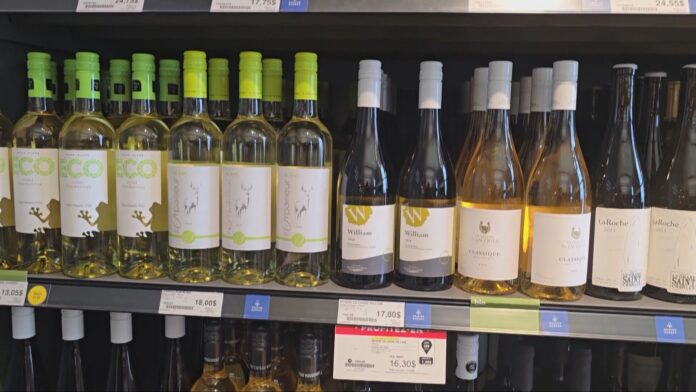
Quebec presents a revealing paradox in the national conversation about alcohol: wine sales through the Société des alcools du Québec continue to grow, even as overall alcohol consumption among Quebecers — and Canadians broadly — trends downward. This divergence is not a statistical curiosity; it reflects a meaningful shift in how people relate to drinking, one that carries real implications for public health policy, provincial revenue, and the cultural identity that Quebec has long attached to wine as a category apart from other alcoholic beverages.
The sustained strength of wine sales sits in tension with well-documented declines in per-capita alcohol consumption, particularly among younger cohorts who are drinking less frequently than previous generations did at the same age. Health Canada and various provincial surveys have tracked this moderation trend with growing consistency over the past decade, and Quebec is not immune to it. Yet wine — positioned culturally and commercially as something closer to a culinary staple than a recreational intoxicant — appears to occupy a protected space in consumer behaviour, one that survives the broader retreat from alcohol even as beer and spirits absorb steeper losses.
A Revenue Question the SAQ Cannot Ignore
For the Quebec government, which depends on the SAQ as a significant source of provincial revenue, the picture is complicated. Strong wine sales sustain the dividend the SAQ remits to the Consolidated Revenue Fund each year, a transfer that helps finance public services under the very social-democratic model Quebecers have consistently chosen to defend. But public health advocates have grown more insistent that the SAQ’s commercial mandate and the government’s health mandate are structurally at odds, and that wine’s cultural prestige has historically shielded it from the scrutiny applied to other products. The declining overall consumption figures give some ammunition to those who argue the province’s harm-reduction messaging is working — but the persistence of robust wine revenues complicates any clean narrative about a society turning away from alcohol.
What the data ultimately suggests is that Quebecers are not so much abandoning alcohol as they are concentrating their consumption in a narrower, more deliberate set of choices — and wine, for now, remains the beneficiary of that selectivity. Whether that pattern holds as health consciousness deepens, as non-alcoholic alternatives improve in quality and availability, and as younger generations age into their peak spending years, remains genuinely uncertain. The SAQ and the government that owns it will need to reckon honestly with that uncertainty, rather than reading today’s wine revenues as a guarantee of tomorrow’s.

