Toronto Voters May Get a Say on Billy Bishop Airport’s Future This October
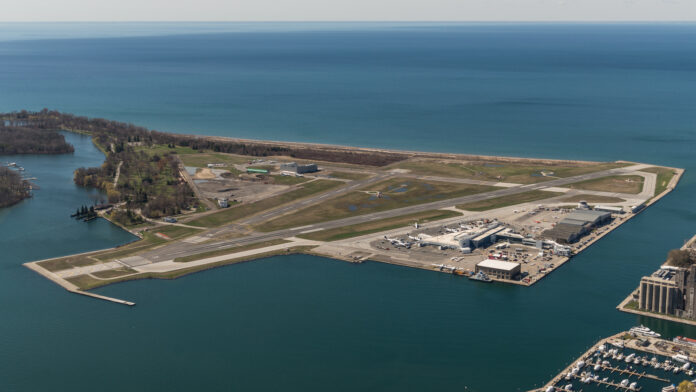
When Torontonians head to the polls in October to elect a new mayor, they could also be asked to weigh in on one of the city’s most contentious infrastructure debates: the future of Billy Bishop Toronto City Airport. The question comes as Ontario’s provincial government moves to wrest control of the island airport away from the City of Toronto — a move city hall is fighting back against.
What Ontario Is Proposing
Ontario Transportation Minister Prabmeet Sarkaria has introduced legislation that would allow the province to take over the City of Toronto’s role in the tripartite agreement governing the airport lands. That agreement currently sits between the city, the federal government, and the Toronto Port Authority, a federal agency.
The bill is part of a broader provincial push to expand Billy Bishop to accommodate jet aircraft — a significant upgrade from the turboprop planes that currently serve the airport.
City Hall Pushes Back
Toronto Mayor Olivia Chow has been vocal in her opposition, calling the legislation a “unilateral action to grab city land without consulting Torontonians.” Chow told city councillors that the province did not consult the city at any point before tabling the bill.
Toronto city council passed an urgent motion to formally oppose the provincial move. Ontario NDP Leader Marit Stiles also criticized Premier Doug Ford, saying he was picking an unnecessary fight with the city at a time when affordability, health care, and jobs should be the priority.
Concerns About Housing and Parkland
The proposed legislation raises several additional concerns beyond the airport itself. The bill could see the province appropriate one-third of Little Norway Park, a waterfront green space near the airport. Transportation Minister Sarkaria was not clear on the specific reason for including the parkland, other than to support airport expansion.
Councillors and residents have also raised alarms about building height restrictions that typically surround airports. Similar restrictions around Pearson International Airport have long constrained development in surrounding neighbourhoods, and there are fears that an expanded Billy Bishop could threaten housing proposals along Toronto’s waterfront.
Toronto city staff have been directed to study whether a jet-capable expansion of the airport would limit future housing development in the waterfront area — a particularly sensitive issue as the city grapples with an ongoing housing crisis.
Federal Questions Remain Unanswered
The federal dimension of the dispute remains unresolved. A federal MP has raised questions about the expansion, noting there is currently no plan in place for how it would proceed. A federal agency has stated that taxpayers would not be on the hook for the proposed expansion costs, though critics have noted that an Ontario government economic impact assessment underpinning the project was based on an incomplete study.
What Comes Next
Whether Toronto voters will formally weigh in on the airport’s future through a ballot question this October remains to be determined. What is clear is that the fight over Billy Bishop has become a flashpoint in a broader tension between the province and Canada’s largest city — touching on questions of municipal autonomy, waterfront development, and democratic consultation.

