
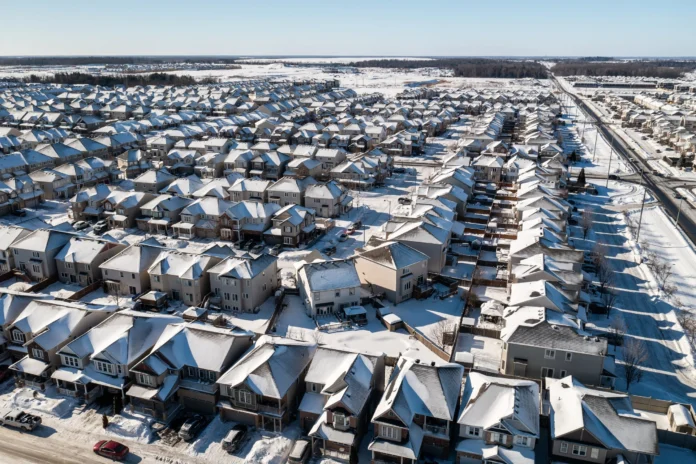
Canada housing pressure is intensifying as provinces and municipalities call on the federal government to move faster on funding, approvals and construction support, arguing that housing shortages and homelessness are outpacing the rollout of Ottawa’s measures aimed at accelerating building.
The renewed push underscores a familiar tension: Ottawa is tying more federal money to reforms and measurable outcomes, while provinces and cities say timelines, rules and bottlenecks in federal programs are slowing projects that are supposed to deliver units quickly.
Canada housing pressure drives federal-provincial friction
Housing Minister Gregor Robertson has urged provinces to increase support for transitional and supportive housing, saying the federal government cannot address homelessness pressures on its own and that provincial systems play a decisive role in shelter, health and social supports tied to housing outcomes.
Provincial governments, meanwhile, have pressed Ottawa to speed up the flow of federal dollars and simplify administration, particularly for projects that depend on coordination across orders of government, including those requiring enabling infrastructure such as water and servicing.
Ottawa leans on Build Canada Homes and city-level agreements
The federal government has positioned Build Canada Homes as a key instrument for scaling up affordable housing, including through partnerships with provinces, territories, municipalities and Indigenous communities, and by using federal financing tools and public lands to accelerate construction.
Ottawa has also continued to pursue direct agreements with municipalities through the Housing Accelerator Fund, which links federal support to local reforms intended to increase density, speed permitting and unlock more housing starts.
Cities demand faster delivery and predictable infrastructure support
Municipal leaders have argued that housing targets will remain difficult to meet without more predictable and timely infrastructure funding, saying constraints in water, transit and local servicing can stall projects even when approvals are in place.
The dispute is increasingly about pace and control: provinces and cities want fewer delays and more flexibility, while the federal government is emphasizing accountability mechanisms designed to ensure funding translates into completed homes.
Building levels remain below what analysts say is required
National construction has risen, but housing supply indicators continue to show a gap between current building rates and the level widely cited as necessary to restore affordability, particularly in high-demand markets. Canada Mortgage and Housing Corporation data for 2025 showed an increase in housing starts compared with 2024, while also signalling a softer pace later in the year.
With housing affordability still dominating provincial and federal politics, the next test will be whether Ottawa and the provinces can align on faster approvals, coordinated financing and sustained building volume through 2026 as pressure mounts for visible results.

