
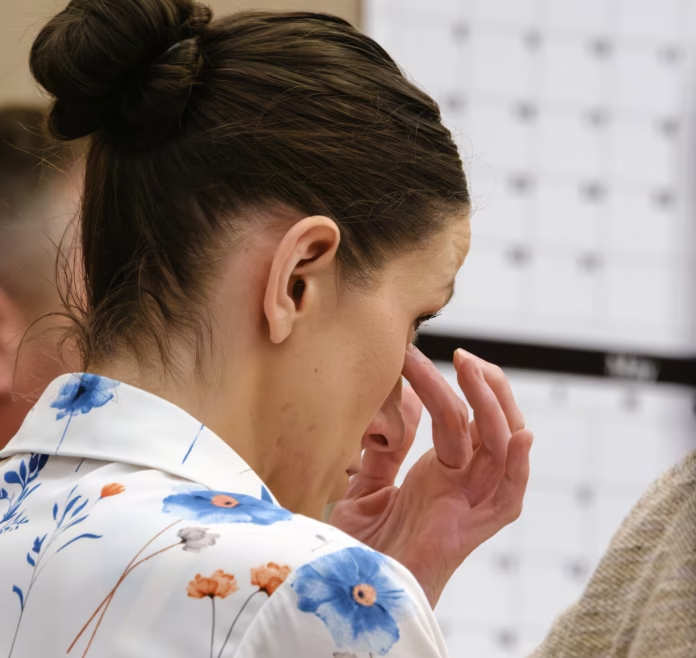
PARK CITY, Utah — A Utah jury has convicted Kouri Richins of aggravated murder for the 2022 death of her husband, Eric Richins, finding she poisoned him with fentanyl at their home near Park City.
Jurors also found Richins guilty of fraud-related charges tied to insurance claims filed after Eric Richins died in March 2022. Richins had pleaded not guilty.
The aggravated murder conviction carries a potential sentence of 25 years to life in prison under Utah law. A sentencing hearing is scheduled for May 13.
Prosecutors said fentanyl was slipped into a cocktail
Prosecutors told jurors that Richins mixed a fatal amount of fentanyl into a drink her husband consumed on the night he died. They argued she was motivated by financial pressure, alleging she was millions of dollars in debt and believed she would gain access to her husband’s assets and insurance proceeds.
They also presented evidence they said showed Richins was planning a future with another man and wanted to leave her marriage without giving up money she expected to obtain through her husband’s death.
In closing arguments, Summit County prosecutor Brad Bloodworth told jurors that Richins “wanted to leave Eric Richins but did not want to leave his money,” according to the Associated Press.
Kouri Richins verdict and the full set of guilty findings
Along with aggravated murder, jurors convicted Richins of attempted aggravated murder based on allegations she tried to poison her husband weeks earlier. Prosecutors said the earlier incident involved fentanyl in food that left him ill.
The jury also found her guilty on additional felony counts involving alleged fraudulent insurance activity after her husband’s death. Court records and testimony presented at trial described multiple life insurance policies and financial transactions that prosecutors argued were part of a broader plan to profit from the death.
Digital evidence and witness testimony featured prominently
The state highlighted phone messages and internet searches that prosecutors said pointed to planning and awareness of the lethality of fentanyl. Investigators also testified about the defendant’s actions and statements after her husband was found unresponsive.
A key witness for the prosecution was the family’s former housekeeper, who testified about obtaining fentanyl for Richins. Defence lawyers challenged the witness’s credibility and argued she was influenced by the possibility of leniency, noting she received immunity in connection with her cooperation.
Defence argued husband had opioid dependence
Richins’ defence team argued Eric Richins had a history of painkiller use and that his death was consistent with an overdose rather than a homicide. Defence attorney Wendy Lewis urged jurors to reject what she described as weak inferences and insufficient proof.
The trial, initially expected to run about five weeks, ended sooner after Richins waived her right to testify and the defence rested without calling witnesses.
Richins remains in custody as the case moves to sentencing.

