
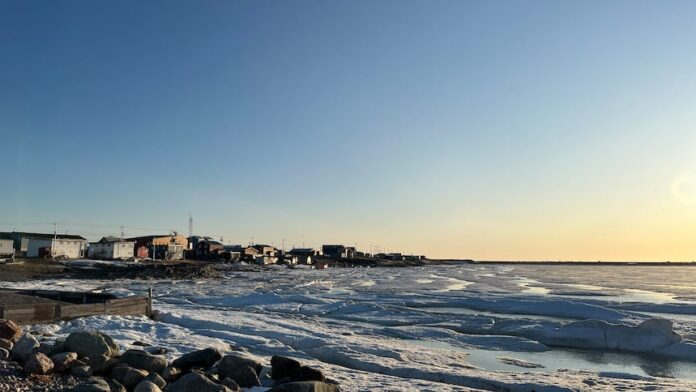
Arviat, a hamlet on Hudson Bay in Nunavut, has been selected to host the main campus of the first Inuit-led university in Canada’s Arctic, CBC News reports ahead of a formal reveal at Rideau Hall. The announcement is slated for Wednesday with Natan Obed and Mary Simon. Inuit Nunangat University is an Inuit-created, Inuit-governed institution that aims to deliver degree programs rooted in Inuit language and knowledge.
Why Arviat—and why now
ITK chose Arviat after a review across Inuit regions. The shortlist included Iqaluit and Cambridge Bay in Nunavut, Inuvik in the Northwest Territories, and Kuujjuaq and Puvirnituq in Nunavik. ITK says the site decision comes as planning accelerates to open the first cohort by 2030. In policy terms, “Inuit Nunangat” refers to the Inuit homeland across four regions of Canada.
Arviat’s community profile strengthens the case: most residents speak Inuktut daily, and local leaders pitched an immersive campus model with land-based learning. Statistics Canada data show the hamlet’s population approaching 3,000, reflecting a young demographic that could benefit from nearby post-secondary options.
Inuit Nunangat University: vision and first programs
Obed frames the university as an exercise in jurisdiction and nation-building: Inuit knowledge, language and governance at the core, with degree programs built for Arctic realities. Early materials from ITK highlight an education faculty (Silatursarniq) and teacher-training pathways grounded in Inuktut. Program architecture will expand as funding and hiring advance.
The plan includes regional knowledge centres or satellite campuses in communities not selected for the main site, to ensure access across Inuit Nunangat. ITK has emphasized co-design with communities and strong student supports.
Funding picture: Inuit, philanthropy and Ottawa
New commitments outlined around the announcement include major Inuit-led investments. ITK and partners have already secured significant private and Inuit funding, anchored by a $50-million contribution from the Mastercard Foundation. Ottawa signalled up to $50 million in federal support in principle, pending final proposals. Together, these streams move the total envelope toward the estimated cost to open the main campus and launch initial degrees.
Nunavut Tunngavik Incorporated (Nunavut Tunngavik Incorporated) continues to play a central role in education and housing partnerships, which are crucial as campuses and student residences are built out. Recent federal-territorial-NTI housing agreements illustrate how Inuit-led delivery can scale urgently needed units.
What it means for students and sovereignty
Locating the university within Inuit Nunangat reduces the burden of moving south for degrees and supports language revitalization. It also advances capacity in fields that matter locally—education, health, governance, environment—while keeping graduates in northern labour markets. Obed has linked post-secondary access to Arctic sovereignty: thriving Inuit institutions underpin Canada’s presence and partnerships in the North.
Next steps at Rideau Hall
Wednesday’s event at Rideau Hall will confirm the main-campus site and outline near-term milestones: governance, academic recruitment, student housing and the build timeline. ITK has indicated testing of early programming and continued fundraising through 2026. Media availability will follow on the grounds.
As planning turns to construction, Arviat’s selection signals a shift: Inuit-led higher education delivered in Inuit language and place. The model aims to serve roughly the first 100 students with about 80 staff by 2030, then scale through regional centres across the homeland

