
A Province Under Pressure
British Columbia’s wildfire season is escalating sharply, and the province is drawing on resources from across Canada and beyond to keep pace. The B.C. Wildfire Service confirmed Sunday that more than 200 personnel from other jurisdictions are en route, a significant reinforcement that reflects both the scale of the current crisis and the strain already placed on local crews. Dozens of firefighters from Alberta and Yukon are expected to arrive this week, with more than 100 additional personnel from Mexico set to follow after the August long weekend. The move underscores how wildfire response in Canada has increasingly become a shared, intergovernmental effort — one that depends on mutual aid agreements between provinces, territories, and international partners.
Conditions Described as Explosive
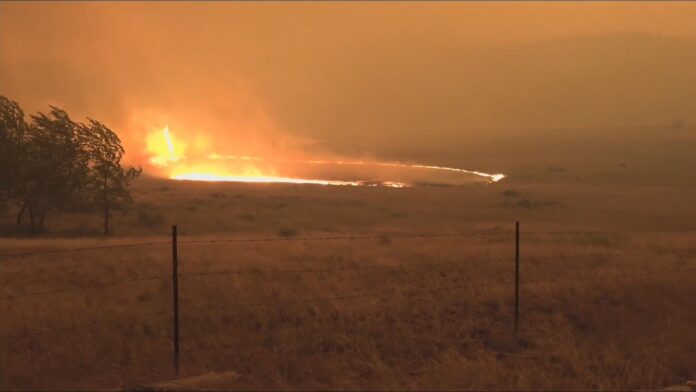
The urgency is not difficult to understand. As of Sunday morning, 145 active wildfires were burning across the province, with 69 of those classified as out of control. BCWS spokesperson Jean Strong described conditions in parts of B.C. as “conducive to more explosive growth or aggressive behaviour,” pointing to a combination of multi-year drought, hot and windy weather, and dry lightning as the key drivers. Heat warnings that blanketed much of the province last week have since been lifted, but Strong was careful not to suggest the danger has passed — tinder-dry fuels remain highly receptive to ignition, and the forecast calls for continued warm weather with little rain. “It makes it really easy for new fires to ignite, and for those fires to burn aggressively,” she said. The situation on the ground confirms that assessment, with structure losses already reported in the Boston Bar and Clinton areas and dozens of evacuation alerts and orders in effect across the province.
The current provincial response is substantial by any measure. Nearly a thousand firefighters — 974 in total — are actively deployed, supported by 162 aviation resources, 130 pieces of heavy equipment, and 248 structure protection personnel. That is a formidable mobilization, yet it is precisely because that capacity is already stretched that outside help becomes essential. Strong noted that bringing in crews from other jurisdictions does more than add bodies to the fight — it also gives exhausted local firefighters the opportunity to rest, a factor that matters enormously when a season shows no sign of relenting. “These resources are incredibly helpful,” she said.
Air Quality and Public Health Concerns
Beyond the immediate threat of fire, wildfire smoke is affecting broad swaths of the province, and Environment and Climate Change Canada issued air quality warnings that remained in effect Sunday. The federal agency’s advisory noted that smoke conditions can shift rapidly over short distances and vary considerably from hour to hour, making it difficult for residents to anticipate exposure levels. Those warnings carry particular weight for vulnerable populations — people with lung or heart conditions, pregnant individuals, infants and young children, those aged 65 and older, and anyone managing a chronic illness or acute health condition face a meaningfully elevated risk from prolonged smoke exposure. Drive BC also issued reminders early Sunday morning about wildfire-related road closures affecting travel in affected regions.
A Long Season Ahead
What is unfolding in B.C. is not an isolated spike but the continuation of a pattern shaped by years of drought and shifting climate conditions. The province’s ability to call on Alberta, Yukon, Mexico, and potentially others reflects a mature system of intergovernmental cooperation — one that Canadian federalism, at its most functional, makes possible. That cooperation matters, but it does not change the underlying reality: the fuels are dry, the weather remains warm, and the season is far from over. Residents in affected areas should follow evacuation orders and alerts without hesitation, monitor air quality advisories closely, and stay informed through official provincial and federal channels as conditions continue to evolve.

