
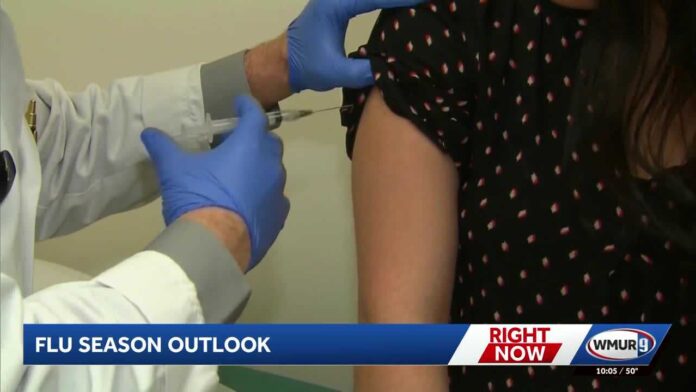
An Early Start to a Familiar Threat
Health officials across the United States are warning that this year’s influenza season has arrived earlier than expected, with data from the Centers for Disease Control and Prevention showing a five percent increase in confirmed flu cases during the first week of October alone — a trend that physicians say warrants immediate attention from the public.
Doctors at Dartmouth Health, including Dr. Sharon Vuppula of Southern New Hampshire Medical Center in Manchester, N.H., are urging everyone who is eligible to receive their flu shot without delay, pointing to early-season case counts in several states that are running well above historical norms for this time of year.
“There are several states right now in the United States that are reporting a higher number of influenza cases earlier in the season than what we typically see,” Dr. Vuppula said.
Why Acting Now Matters
Anyone six months of age and older is eligible for the flu vaccine, and medical professionals emphasize that the body requires approximately two weeks after vaccination to develop a meaningful immune response — a biological timeline that makes early inoculation all the more critical given the accelerated pace of this season’s spread.
Dr. Vuppula acknowledged that October can feel premature to many patients, but she cautioned against waiting. “It can seem like because we’re in October, they may have time,” she said. “But given the patterns we’re seeing, I would recommend they get the flu vaccine now.”
The flu shot carries an effectiveness rate of roughly 40 to 60 percent in preventing infection outright. More significantly, vaccination substantially reduces the severity of symptoms for those who do contract the virus, which in turn keeps hospitalization rates lower and protects the healthcare system’s capacity — a lesson that recent years have reinforced with considerable force.
Protecting the Most Vulnerable
Dr. Vuppula drew particular attention to infants and other high-risk individuals who cannot always be vaccinated directly or who mount weaker immune responses. For very young children, the protective strategy depends heavily on what epidemiologists call cocooning — ensuring that parents, grandparents, babysitters, nannies, and other caregivers in a child’s immediate circle are themselves immunized.
“What about protecting those really small vulnerable infants?” she said. “The way to do that is to get parents to get vaccinated for influenza and caregivers such as grandparents and babysitters and nannies. That’s the way we protect the most vulnerable.”
Common symptoms of influenza include high fever, muscle aches, severe fatigue, and persistent cough — a constellation of symptoms that, while familiar, can escalate rapidly in elderly patients, immunocompromised individuals, and young children, making prevention far preferable to treatment.

