
The Outbreak at a Glance
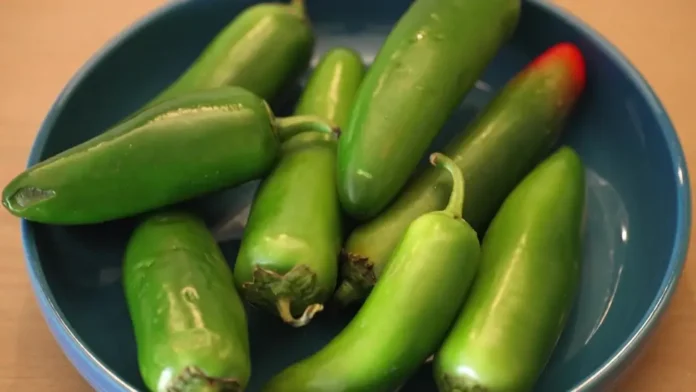
A salmonella outbreak tied to jalapeño peppers has sickened at least 345 people across 27 U.S. states, prompting a product recall and investigations by both the U.S. Centers for Disease Control and Prevention and the Food and Drug Administration. Canadian health authorities say they are monitoring the situation — but have found no evidence the affected peppers crossed the border.
The FDA is still working to determine whether recalled jalapeños were sold through grocery retail channels in the United States, meaning the investigation remains active and the full scope of the outbreak is not yet established.
Canada’s Exposure: Limited, But Monitored
Health Canada confirmed to CBC News that the Public Health Agency of Canada is not currently investigating any salmonella cases connected to this outbreak. The Canadian Food Inspection Agency echoed that position, stating plainly that “at this time, there is no evidence that products implicated in this outbreak were distributed in Canada.”
CBC attempted to reach Coast Citrus Distributors directly on Thursday but received no comment before publication. The distributor’s Canadian distribution footprint, if any, remains unclear from public disclosures.
Both Chipotle and Qdoba operate locations in Canada. Neither chain has publicly indicated that Canadian restaurants received jalapeños from the implicated supplier, and the FDA’s statements on ongoing risk focused specifically on U.S. locations after the supplier switch.
What Is Salmonella — and How Does It Spread?
Salmonella is a bacterium that causes salmonellosis, an infection of the intestinal tract. Transmission most commonly occurs through food or water contaminated with fecal matter carrying the bacteria. Fresh produce is a well-established vehicle, particularly when contamination occurs at the farm level.
“The contamination usually happens at the level of the farm, but technically you can introduce a contaminant at any point,” said Dr. Isaac Bogoch, an infectious diseases specialist at Toronto General Hospital. That means the supply chain — from field to distributor to kitchen — carries risk at multiple junctures.
Symptoms and Who Is Most at Risk
Not everyone infected with salmonella will feel sick. Those who do typically develop diarrhea, nausea, stomach cramps, vomiting, and fever. Symptoms generally appear between six hours and six days after exposure and can persist for four to seven days, according to the CDC.
Young children, older adults, and people with compromised immune systems face a higher risk of severe illness. For these groups, salmonellosis can require hospitalization — as the 36 U.S. cases in this outbreak illustrate.
What to Watch For
Canadian authorities have not issued any advisories or recalls related to this outbreak. The situation remains fluid, however, as U.S. investigators have not yet determined whether recalled jalapeños reached grocery store shelves. Anyone who develops symptoms consistent with salmonellosis after consuming jalapeños — particularly at quick-service Mexican-style restaurants — should contact a health care provider.
Health Canada and the CFIA have not ruled out further investigation should new evidence emerge. Canadians can monitor updates through the CFIA’s food recall and allergy alert system, which publishes notices as they become available.

