
Canada and Alberta Strike Carbon Deal to Fast-Track 1-Million-Barrel-Per-Day Pipeline
Prime Minister Mark Carney and Alberta Premier Danielle Smith announced a landmark carbon pricing agreement on Monday that could pave the way for construction of a major new oil pipeline to the British Columbia coast — with a start date as early as September 2027.
What the Deal Does
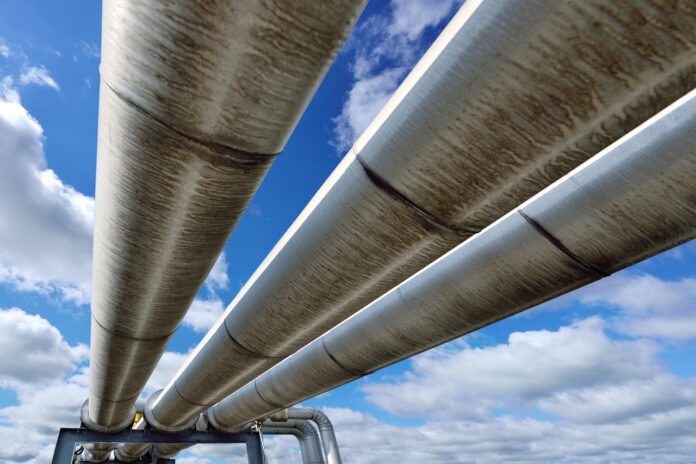
The agreement sets out a revised industrial carbon pricing schedule and, for the first time, establishes a concrete timeline for a pipeline capable of carrying one million barrels per day of Canadian crude to Pacific tidewater for export to Asian markets.
Under the deal, Alberta’s industrial carbon price will rise from its current $95 per tonne to $100 per tonne by the end of this decade, then increase by $3 per year to reach $130 per tonne by 2040. That represents a significant rollback from the previous Liberal government’s target of $170 per tonne by 2030.
The pact builds on a memorandum of understanding signed last November, in which Ottawa agreed to fast-track federal review and designate the pipeline as a project of national interest, contingent on Alberta meeting certain emissions-reduction conditions.
A Timeline — But No Pipeline Company Yet
Alberta has committed to submitting a formal pipeline proposal by July 1, with Ottawa pledging to fast-track its review. Construction could begin as early as September 2027.
There is, however, a significant gap: no private-sector proponent has formally stepped forward to build the pipeline. The project’s viability ultimately depends on a company willing to take it on.
Political Reactions Are Sharply Divided
The deal has drawn criticism from both the left and the right. NDP Leader Avi Lewis called it “the Carney government’s official surrender to the oil and gas lobby,” arguing the revised carbon pricing schedule dismantles the last meaningful federal climate measure.
Conservative Leader Pierre Poilievre said he supports building a pipeline but opposes any increase to the industrial carbon price, declaring: “Conservatives want a pipeline without a carbon tax, not a carbon tax without a pipeline.”
Environmental groups warned the agreement significantly weakens Canada’s industrial carbon pricing regime. They note the effective market carbon price will reach only $60 per tonne in 2030 — far below the $170 target originally set for that year — rising to $110 per tonne by 2040.
Energy Analysts See Cause for Cautious Optimism
Some in the energy sector welcomed the announcement. Richard Masson, former CEO of the Alberta Petroleum Marketing Commission, called it a “very positive step,” saying it checked off another condition from last fall’s memorandum of understanding.
Kevin Birn, chief oil analyst for Canadian markets at S&P Global, said the announcement could bring greater clarity to companies considering investment in Canada’s oil sector — a market that has long struggled to attract pipeline infrastructure capital.
A Long-Delayed Reckoning
Canada has wrestled for years with how to expand oil export capacity while meeting climate commitments — a tension that has produced legal battles, constitutional disputes, and stalled projects.
The Carney government has framed federal pipeline support as contingent on industry emissions reductions, attempting to link infrastructure expansion directly to climate accountability. Whether that balance satisfies critics on either side remains to be seen.
With a formal proposal deadline set and a construction window identified, Canada is closer than it has been in years to turning a long-debated pipeline corridor into an actual project — provided a builder emerges to take it on.

