
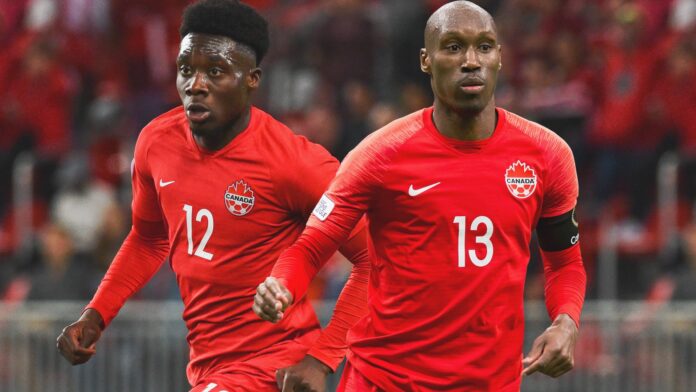
TORONTO — Canada Soccer is under renewed scrutiny as it works through governance and commercial reforms ahead of a run of major events, led by the 2026 FIFA World Cup that Canada will co-host with the United States and Mexico. Recent updates from the federation point to ongoing negotiations over commercial rights and continued efforts to modernize governance, while critics and stakeholders press for faster, clearer change.
Canada Soccer Reform Talks Centre on Governance Changes
Canada Soccer commissioned an independent governance review after the federal sport minister asked the federation in 2023 to examine its structures and practices. The final report, dated May 2024, set out recommendations on board practices, accountability, and how members exercise voting power inside the organization.
The report placed added attention on how Canada Soccer represents a wide range of stakeholders, from provincial and territorial associations to professional leagues and national teams. Reform advocates say governance changes will matter most if they also improve transparency and decision-making speed.
Commercial Rights Deal Remains the Flashpoint
The long-term commercial arrangement with Canadian Soccer Business (CSB) continues to dominate reform discussions. Canada Soccer has said it is in talks related to commercial rights and has pledged to publish details of any new agreement it reaches to support transparency and public understanding.
Public reporting has described the CSB agreement as a 10-year deal linked to the owners of Canadian Premier League clubs and structured around bundled sponsorship and media rights. The deal has faced criticism from parts of the soccer community that want clearer disclosure of revenue flows and stronger oversight.
Leadership Changes Aim to Stabilize the Federation
Canada Soccer appointed Kevin Blue as general secretary and chief executive officer in 2024, after a period of turnover and tension around finances and labour relations. Blue has described trust-building and operational stability as priorities as the federation moves through a high-stakes tournament cycle.
In January 2026, Canada Soccer also announced it had appointed Denmark’s Kenneth Heiner-Møller as sporting director for the national teams, a move the federation framed as part of strengthening long-term technical planning. Reuters reported the appointment as Canada Soccer prepared for an intense period of international competition and public attention.
Culture and Oversight Questions Add Pressure
Canada Soccer also faces reputational pressure tied to the women’s program’s drone incident at the Paris 2024 Olympics and the broader questions it raised about oversight and internal culture. Reporting and official briefing material have described the episode as a catalyst for deeper scrutiny of controls, accountability, and governance in high-performance environments.
World Cup Countdown Raises the Stakes
The federation now works against a fixed deadline. The 2026 World Cup will put Canada Soccer’s governance, commercial model, and leadership under sharper focus than at any point in its modern history. Stakeholders will watch for concrete outcomes, including clearer reporting, firmer oversight, and reform steps that last beyond the tournament cycle.

