Canada has “absolutely no intention” of acquiring nuclear weapons, Defence Minister David McGuinty said this week, pushing back against renewed discussion about nuclear deterrence as global arms control and alliance politics face fresh strain.
Questions about nuclear proliferation have intensified internationally amid tensions inside NATO, sharper rhetoric from U.S. President Donald Trump toward allies, and the expiry on February 5 of New START, the last remaining U.S.-Russia nuclear arms control treaty.
Canada nuclear weapons: minister cites treaty commitments
Speaking to reporters ahead of a cabinet meeting, McGuinty said Canada remains bound by international agreements that prevent it from pursuing nuclear arms and stressed that the country has long been a non-proliferation state.
He said Ottawa’s focus is on strengthening conventional capabilities, including rearming, reinvesting, and rebuilding the Canadian Armed Forces. McGuinty added that an emphasis on Arctic security would support Canada’s ability to operate independently, even without a nuclear deterrent.
Former military chief’s remarks spark debate
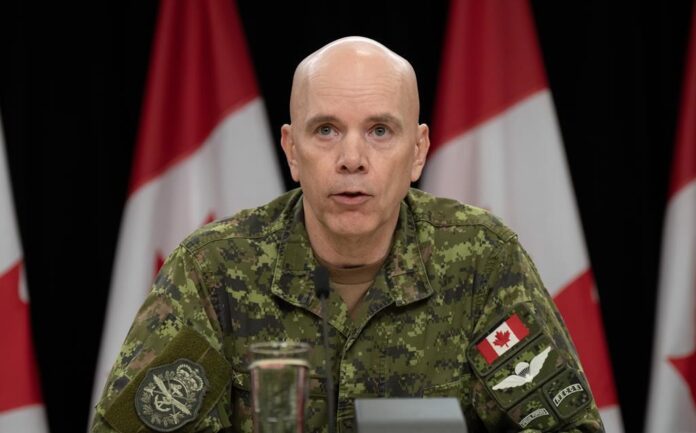
The issue resurfaced after retired general Wayne Eyre, Canada’s former chief of the defence staff, raised the idea of not fully ruling out a Canadian nuclear weapons option during a private Ottawa discussion focused on sovereignty and military autonomy.
Reports quoting Eyre said he argued Canada might never have full strategic independence without nuclear weapons, while also indicating it is not something the country should pursue at present.
Experts warn against proliferation and highlight costs
Arms control and security experts cautioned that nuclear proliferation would carry significant political, diplomatic, and strategic costs for Canada, with limited practical benefit.
They argued the central questions are not technical feasibility but purpose, credibility, and consequences, including the likely reaction of allies and the burden of sustaining a nuclear force, delivery systems, command-and-control infrastructure, and long-term stewardship.
New START expiry raises fears of a new arms race
New START, which limited strategic nuclear warheads and launchers and provided transparency measures, expired on February 5 without a replacement agreement in force.
The United Nations secretary-general described the expiry as a grave moment for international peace and security and urged renewed efforts to avoid an unchecked arms race and restore guardrails on the world’s largest nuclear arsenals.
Canada’s defence choices amid alliance uncertainty
Canada, like other non-nuclear NATO members, relies on alliance deterrence, including U.S. nuclear forces, for collective security. Recent debates in Europe about nuclear “burden-sharing” and strategic autonomy have been driven by concerns over Russia’s posture and uncertainty about U.S. commitments.
In Canada, McGuinty’s comments signalled the government’s position that strengthening conventional defence and Arctic readiness, while maintaining treaty commitments and allied cooperation, remains Ottawa’s path as nuclear risks rise globally.

